
Mythbusting common casino beliefs What you need to know
Mythbusting common casino beliefs What you need to know
The Gambler’s Fallacy Explained
Many individuals believe in the gambler’s fallacy, which asserts that past outcomes can influence future results in games of chance. For instance, if a roulette wheel has landed on red several times in a row, players may think that black is due to appear. This belief is fundamentally flawed, as each spin of the wheel is an independent event governed by probability. Casinos ensure that their games are designed with randomness at the forefront, meaning previous spins have no bearing on what will happen next. Additionally, if you’re looking for the best online casino, understanding these principles can enhance your overall experience.
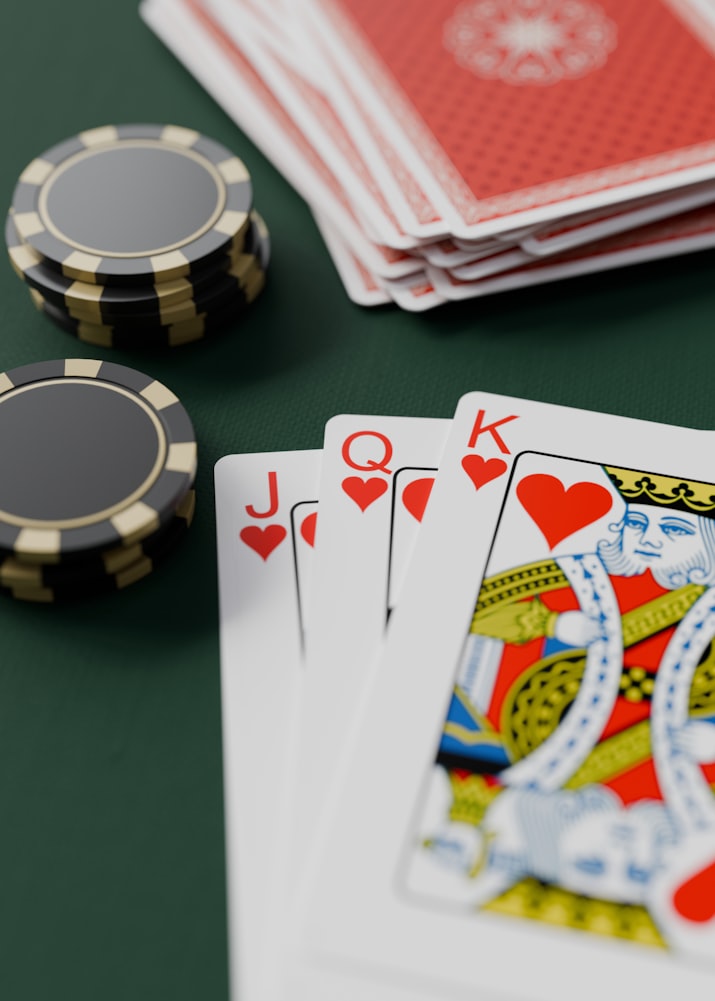
Understanding this fallacy is crucial for responsible gambling. By clinging to this belief, players may place larger bets in hopes of chasing losses or wrongly assuming they are “due” for a win. Instead, recognizing that each event is independent can lead to more informed betting strategies and a more enjoyable gaming experience.
The Role of Luck vs. Skill
A common misconception in casinos is the belief that all games are purely luck-based. While luck certainly plays a significant role, especially in games like slots and roulette, there are several games where skill is an essential factor. Card games like poker and blackjack require a combination of strategy, knowledge, and psychological insight, allowing skilled players to gain an advantage over their opponents.
Understanding the difference between luck and skill can enhance a player’s approach to different games. Those who invest time in learning the rules and strategies for skill-based games often find themselves achieving better results than those who rely solely on chance. This knowledge can lead to more engaging and potentially profitable gaming sessions.
The House Edge: What It Really Means
The house edge is a term that many gamblers hear but few fully understand. It refers to the mathematical advantage that the casino holds over players in any given game. This edge varies between games, influencing the likelihood of winning. For instance, blackjack may have a lower house edge compared to slots, meaning players have a better chance of winning over time.
Recognizing the house edge empowers players to make smarter choices about where to play and how much to bet. By selecting games with lower house edges, players can maximize their chances of enjoying longer play sessions and potentially more favorable outcomes. Knowledge of this concept is essential for any serious gambler aiming to optimize their experience in a casino.
The Myth of Hot and Cold Machines
Another prevalent myth is the belief in hot and cold machines, particularly in slot gaming. Some players think that certain machines are “hot,” meaning they are more likely to pay out, while others are “cold” and less likely to reward players. This belief is grounded in the misconception that machines have streaks of wins and losses.
In reality, slot machines use random number generators to determine outcomes, which means every spin is independent of the previous one. There are no patterns to follow; therefore, the idea of hot and cold machines is unfounded. Understanding this fact can help players make informed decisions and prevent them from chasing losses based on misleading beliefs.
Ensuring a Secure Gaming Environment
Our website is dedicated to providing you with reliable information about casino gaming and promoting a safe online experience. We prioritize your security and aim to dispel common myths that can negatively impact your gaming journey. By fostering an understanding of the realities of casino gaming, we hope to enhance your enjoyment and success.
If you ever encounter issues accessing our content due to security measures, we encourage you to reach out for assistance. Your experience matters to us, and we are committed to ensuring that you have a clear path to the information you seek. Together, let’s enjoy the world of gaming with knowledge and confidence.